Table Of Content

Your child should also use an antifungal shampoo such as selenium sulfide or ketoconazole to decrease shedding of the fungus. So be prepared for surprises, as your child's hair color – and texture – can come from any corner of the family tree. Whatever your baby's hair looks like at birth, it's likely to change in the first year of life. Excess heat from blow-drying or straightening can also damage hair and cause it to fall out. When kids don’t get enough vitamins, minerals, and protein, their hair can fall out. Hair loss can be a sign of eating disorders like anorexia and bulimia, as well as a side effect of a low-protein vegetarian or vegan diet.
When to Call for Hair Loss
If your little one is still bald by age 2, be sure to discuss this with your pediatrician to rule out a hormonal imbalance, scalp infection, or hair loss condition such as alopecia. Other babies may be born with a full head of hair thanks to terminal hairs already present, which is also considered normal. With a healthy, varied diet, most children will not experience nutritional deficiencies that lead to hair loss. However, if you suspect a problem, speak to your child's doctor before giving nutritional supplements. For the majority of children 26 months or older suffering hair loss, one of the following conditions is the cause.
document.getElementsByTagName('head') .appendChild(rs);
Now, just a few months later, all that’s left are Charlie Brown wisps. If the bald spot is the result of your baby spending too much time in the same position, try alternating the way your baby sleeps during naps and at night. If you usually put him to sleep with his head at one end of the crib, try putting him down with his head at the other end every other night. Your baby will naturally turn his head to the side to look out of the crib, so he'll be resting on a different part of his head. Remember that baby’s skin is very sensitive and some products like shampoo, soap, and laundry detergents, though made for babies, can be too harsh for their skin.
What does normal hair growth look like?
Cradle cap, also known as seborrheic dermatitis, can occur in babies between 2 weeks and 12 months of age. It can look like scaly red or crusty yellow patches around the scalp. It typically clears up on its own but can cause some babies to lose hair in a short period.
Women's hair loss: What your hair stylist might not be telling you - Care.com
Women's hair loss: What your hair stylist might not be telling you.
Posted: Fri, 03 Sep 2021 07:00:00 GMT [source]
If you notice bits of dry skin that look like dandruff, or larger patches and redness on your baby’s head, you are likely looking at cradle cap. If your baby appears bald as they approach their 2nd birthday, talk to your doctor about possible causes for baby baldness. It’s usually suspected if your baby is older than 6 months and still losing lots of hair. There are several reasons why you might be losing your hair. According to Agbai, genetics, hormonal shifts, stress, underlying medical conditions, nutritional deficiencies, and scalp inflammation are notable factors. When you do wash, use a baby-formulated shampoo, like Mustela’s Gentle Shampoo or Foam Shampoo For Newborns, and be extra gentle so you don’t stress the scalp and hair follicles even more.
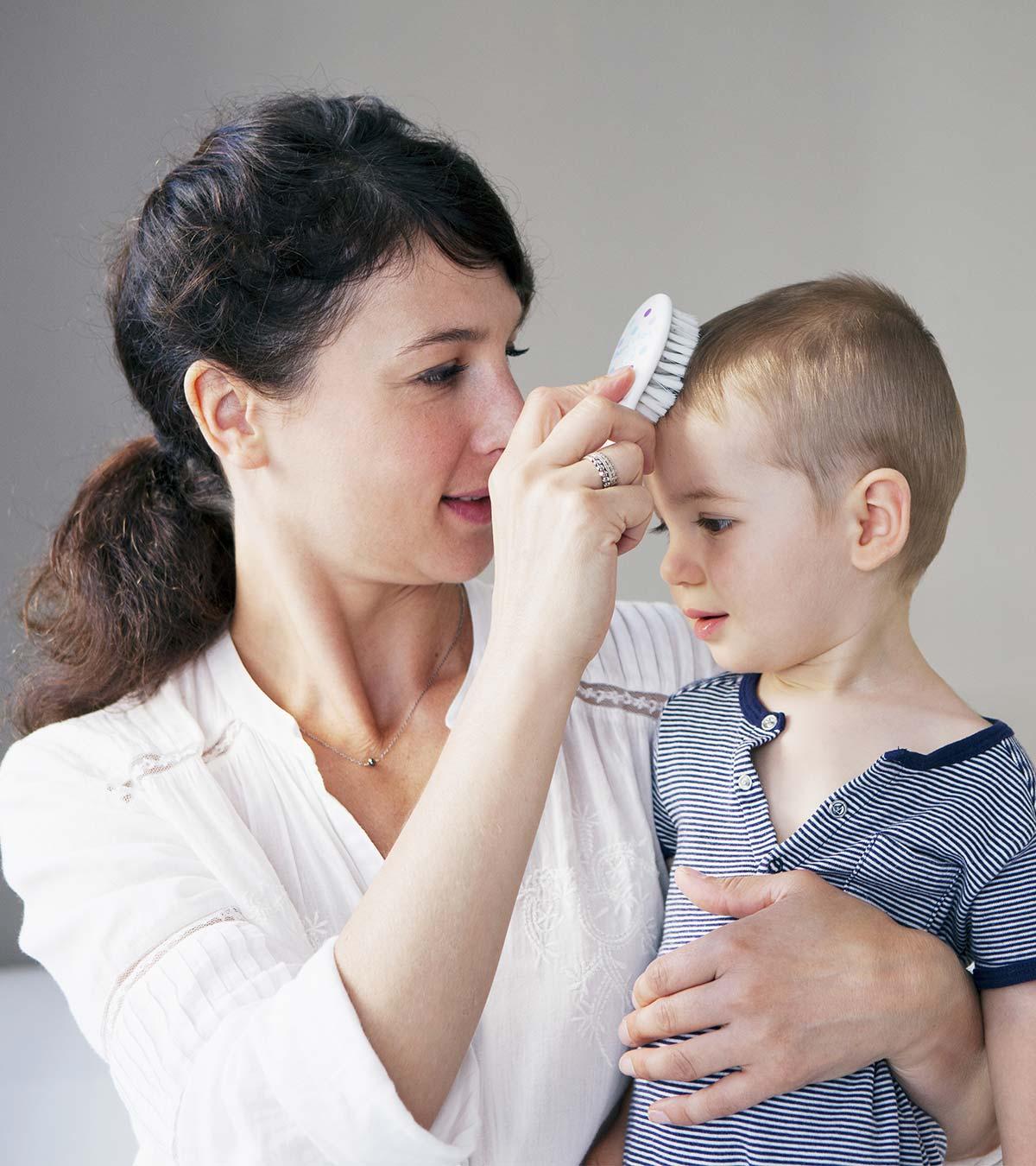
Oral or topical antifungal medications can clear these infections up and encourage hair to regrow. If baby was born sans hair, it’ll likely start to grow soon. In fact, hair follicles begin to develop in the womb at 14 weeks gestation, and newborns are born with all the hair follicles they’ll have and need throughout their lifetime, says Scott. According to the American Academy of Dermatology, it’s completely normal to shed anywhere between 50 to 100 strands of hair per day. However, if you’ve noticed more strands falling out of your head than normal, you may be experiencing alopecia, the medical term for hair loss.
Mom warns other parents after a loose hair around her baby's toe cut off his circulation - SSM Health
Mom warns other parents after a loose hair around her baby's toe cut off his circulation.
Posted: Mon, 14 Feb 2022 08:00:00 GMT [source]
Whatever your baby’s hairstyle du jour, don’t worry too much — or get too attached. Here’s a look at how your baby’s hair can grow and change — plus how to care for whatever coif your cutie’s got. Your baby’s permanent hair will likely begin to appear around the six-month mark. However, your little one may grow their childhood hair as early as three months or as late as 18 months. It’s considered healthy and normal for babies to grow their big-kid hair any time before two years of age.
Should I cut my newborn’s hair?
Not only does it allow more time for baby’s hair to grow, it also means that your child will be able to sit up and support their own head during the process, which is ideal for safety. Additionally, Scott debunks the myth that cutting baby’s hair earlier guarantees better growth or thickness, so there’s really no rush. With all the changes that happen to baby hair during those early years, it’s only natural to wonder how you can keep those little locks healthy and fresh. Luckily, there are a number of things you can do to promote baby’s hair growth.
Of course, putting a baby down on their back is extremely important to lower the risk of SIDS, and parents shouldn't fret over these little bald patches. Mitzner says they tend to resolve once baby starts rolling. "Also, tummy time is so important for your baby’s development physically, but it can also help take some time off the back of the head with the positional balding." The hair will shed whether it is rubbed off or left alone. There are no conclusive tests to diagnose telogen effluvium; there is also no treatment for it.
Doctors aren’t exactly sure what causes it, but many suspect yeast or hormonal changes that make the scalp produce more oil. And if you haven’t already been there, done that, believe us when we tell you that labor and delivery are stressful events for everyone involved, including your baby. One theory is that this stress may contribute to telogen effluvium and hair loss. Babies often lose their hair during the first six months. The hair falls out and the new, mature hair hasn’t yet come in. Some babies respond well to using oil (olive oil for example) to gently massage and loosen up the flaky skin.
But it's not until around 2 years of age that thicker hair emerges. Well, to begin with, all babies grow a thin layer of hair while in the womb. This wispy layer of baby hair is called lanugo and appears all over a baby’s body.
Or the “hair loss” might just be part of her hair’s normal cycle of growth and loss — if all the loss happens to come around the same time, you might suddenly notice a lot more scalp showing. If baby has a bald patch, maybe she’s resting her head in the same spot day after day, and that’s rubbing the hair off. Much less common is a medical condition like alopecia areata (caused when an immune system attacks hair follicles), hypothyroidism or some other glandular problem. When it comes to newborn hair, there’s a wide range of what’s considered normal. Many babies are born without any hair, some arrive with a few sporadic strands and others come onto the scene with a plethora of enviable locks. As baby grows throughout the first few years of life, you’ll see their hair evolve.
Your child's pediatrician or a pediatric dermatologist should be able to diagnose these conditions and prescribe the appropriate treatment. Every baby is different, and the way their hair looks at birth may not be indicative of what it will look like as they grow. In fact, it’s difficult to predict what your baby’s hair will look like in later life, as they could inherit genes from anywhere in your family tree.
However, this is very unusual in babies under one year old, especially if they’re still at home with you and not interacting with a lot of other little ones. Many new little peanuts come out with no hair at all, in fact—so losing it isn’t an option. For example, when they sleep, they turn their head to the right to look at the world outside the crib. Then, when they sit in their car seat, they turn their head to the right to look out the window.


No comments:
Post a Comment